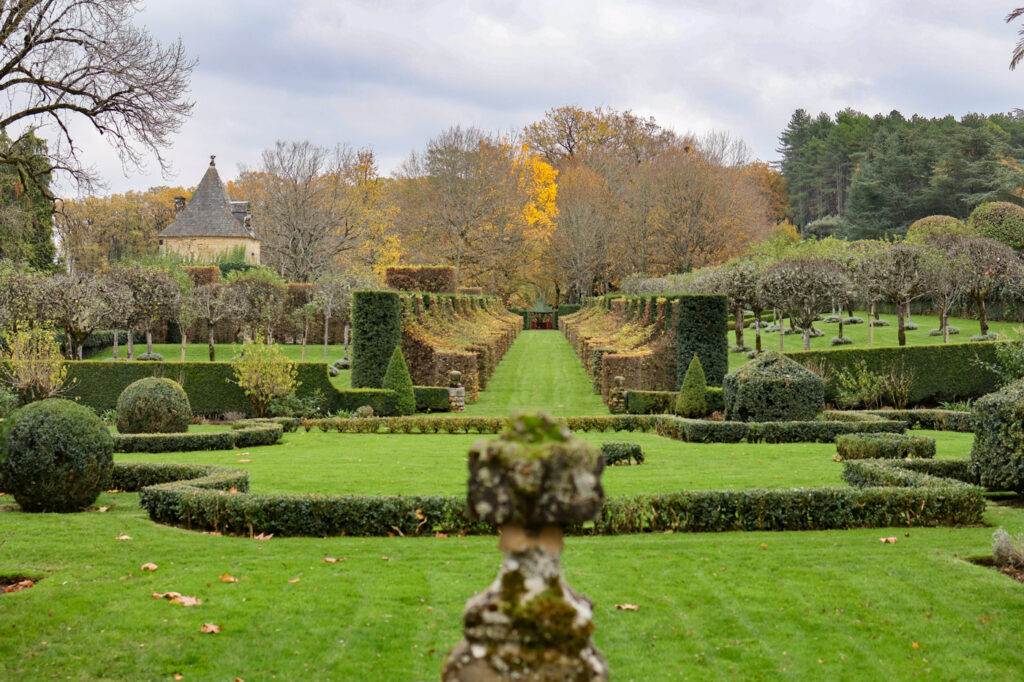
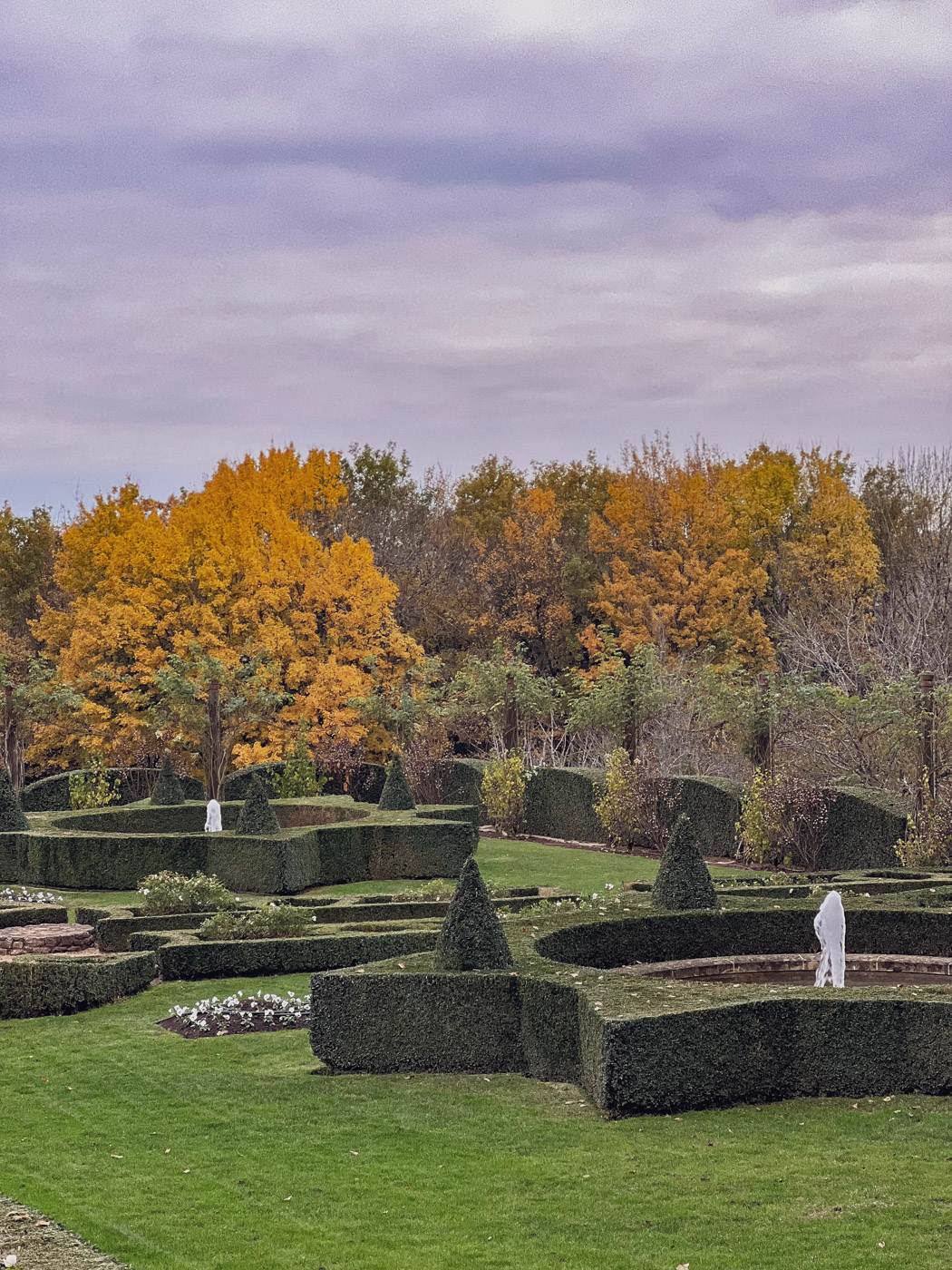
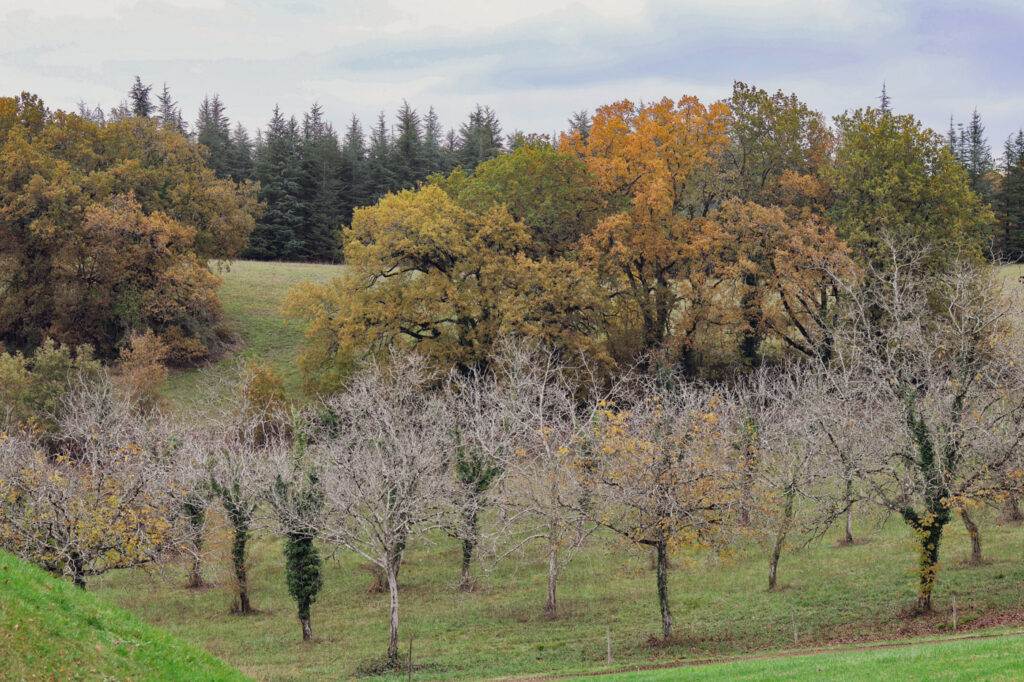
Located in the heart of the Périgord Noir in Dordogne, the Gardens of Eyrignac are above all a family story and one of genuine passion for gardening. Awarded the Jardin Remarquable label, these 10 hectares perfectly embody the French formal garden, at once disciplined and poetic. Nestled within the region’s characteristic rolling landscape, at the end of a long, winding, tree-lined road, they appear as a place out of time, one you feel like wandering through, never wanting to leave.
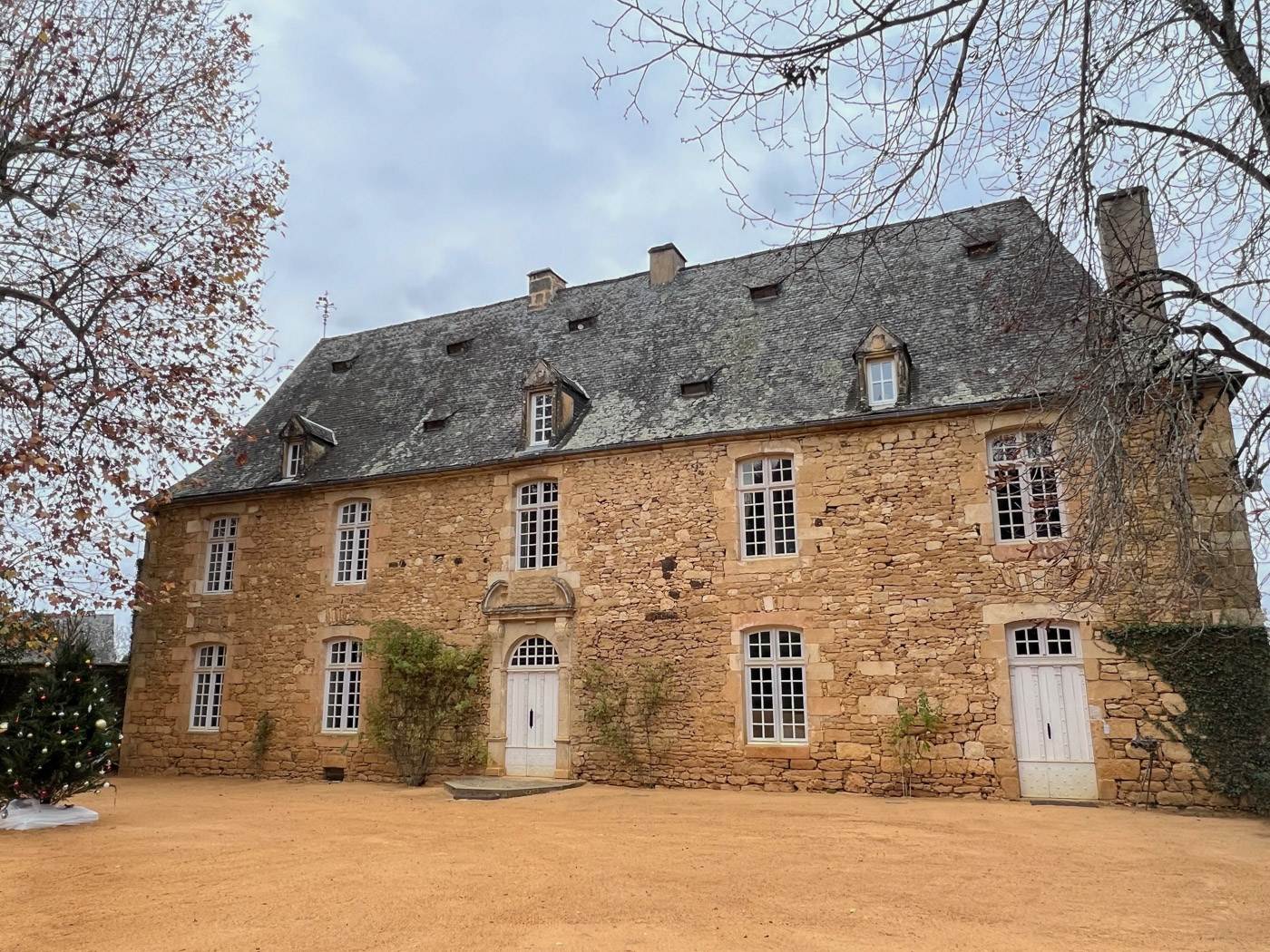
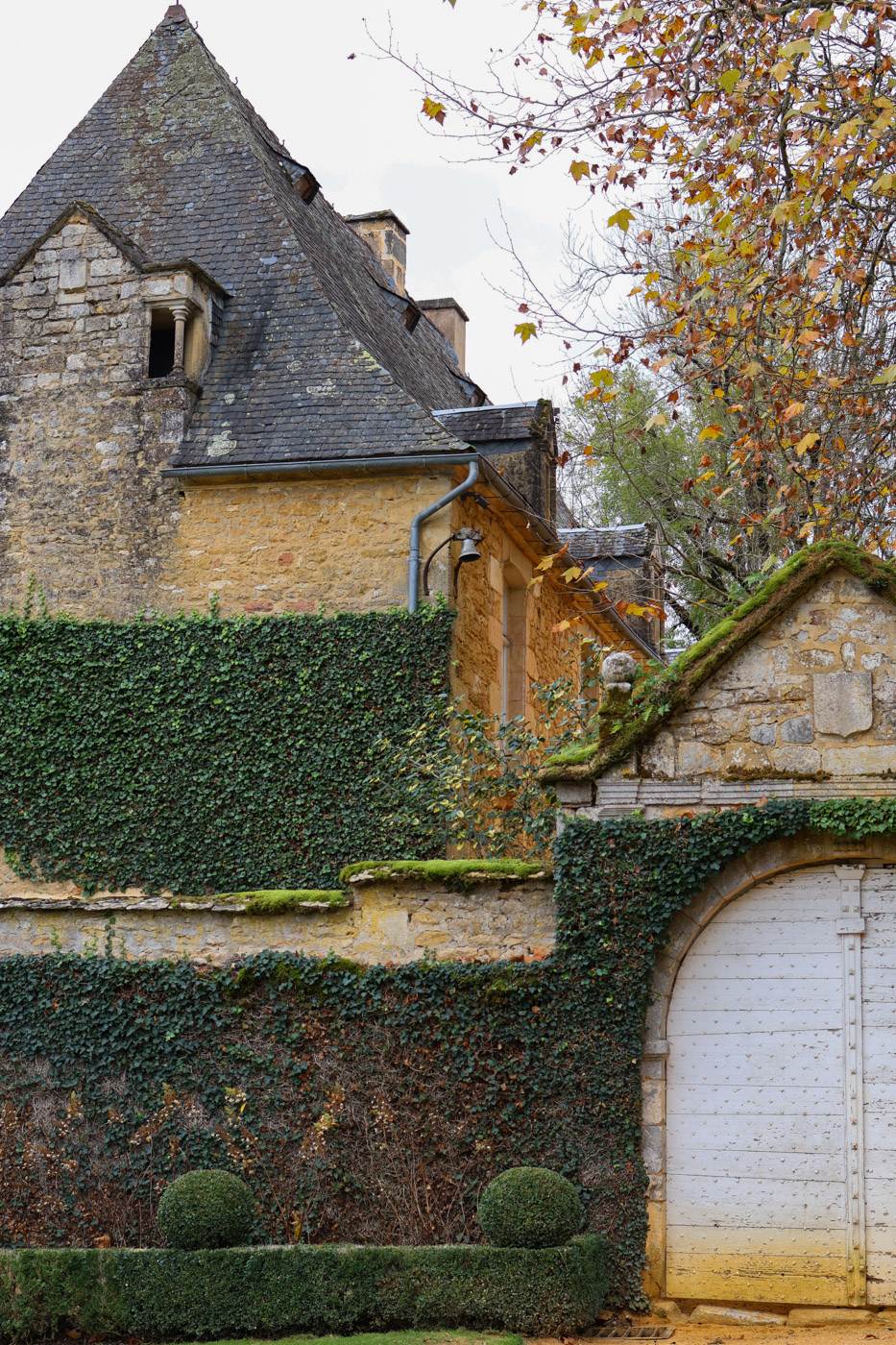
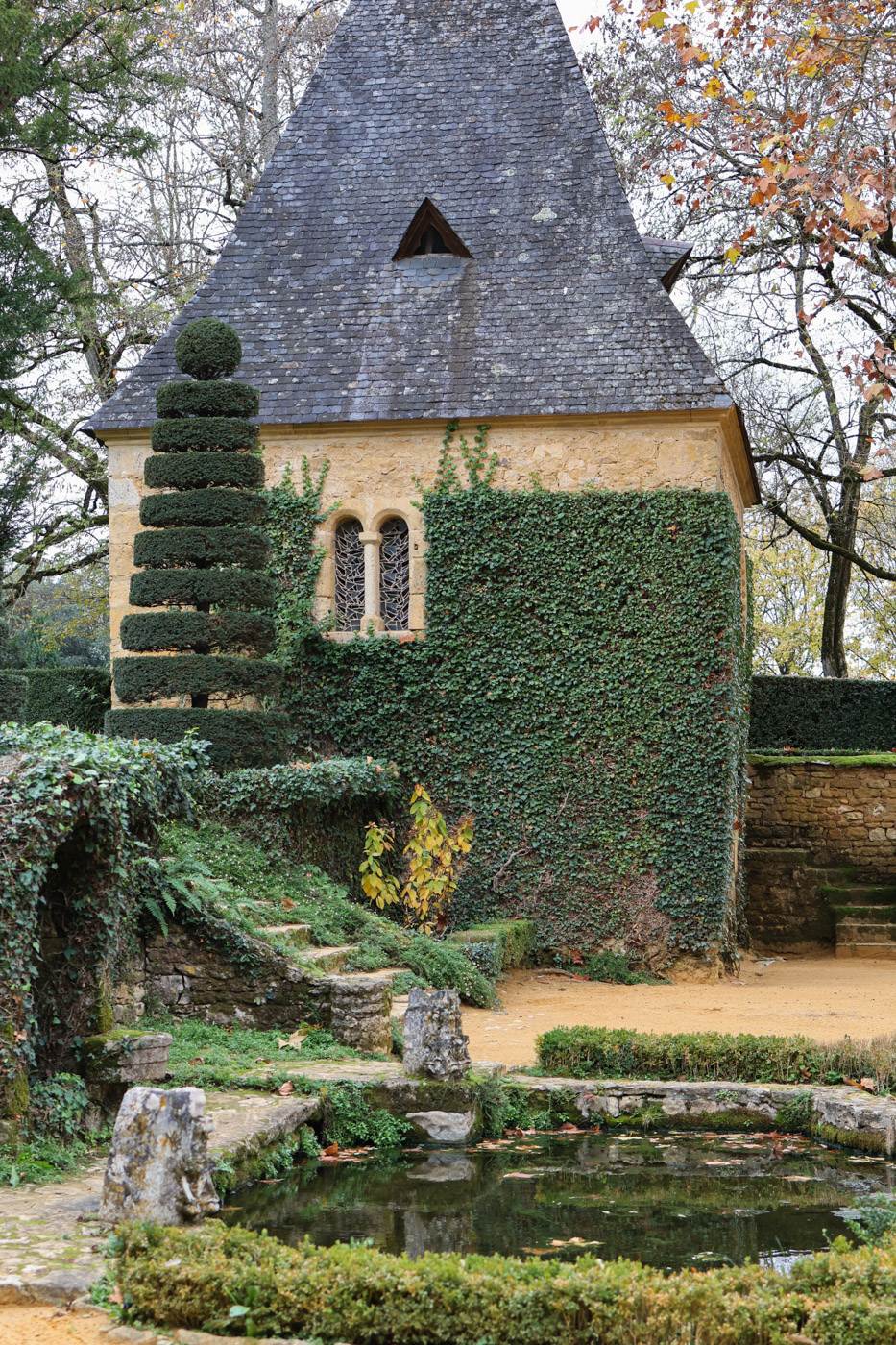
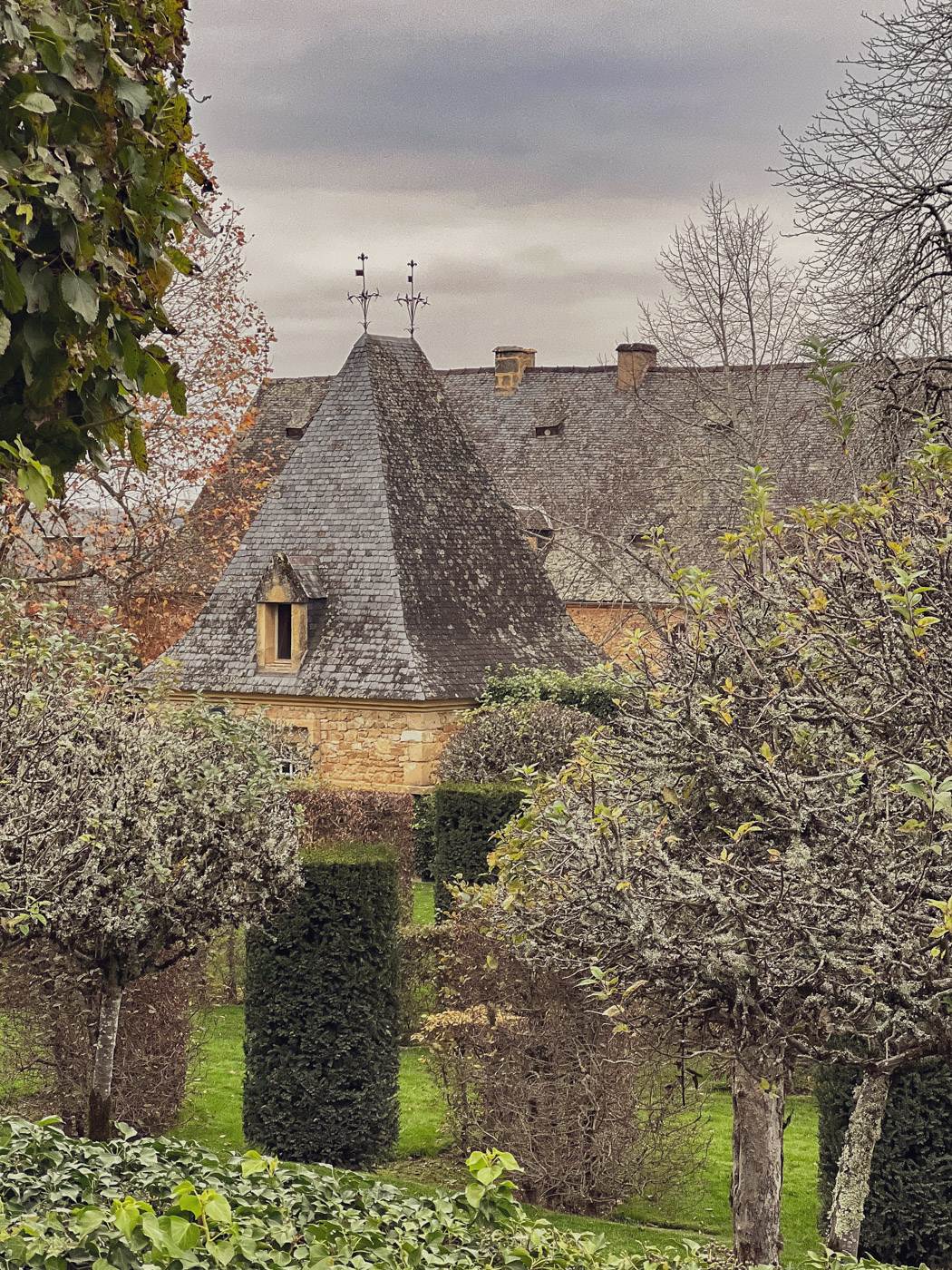
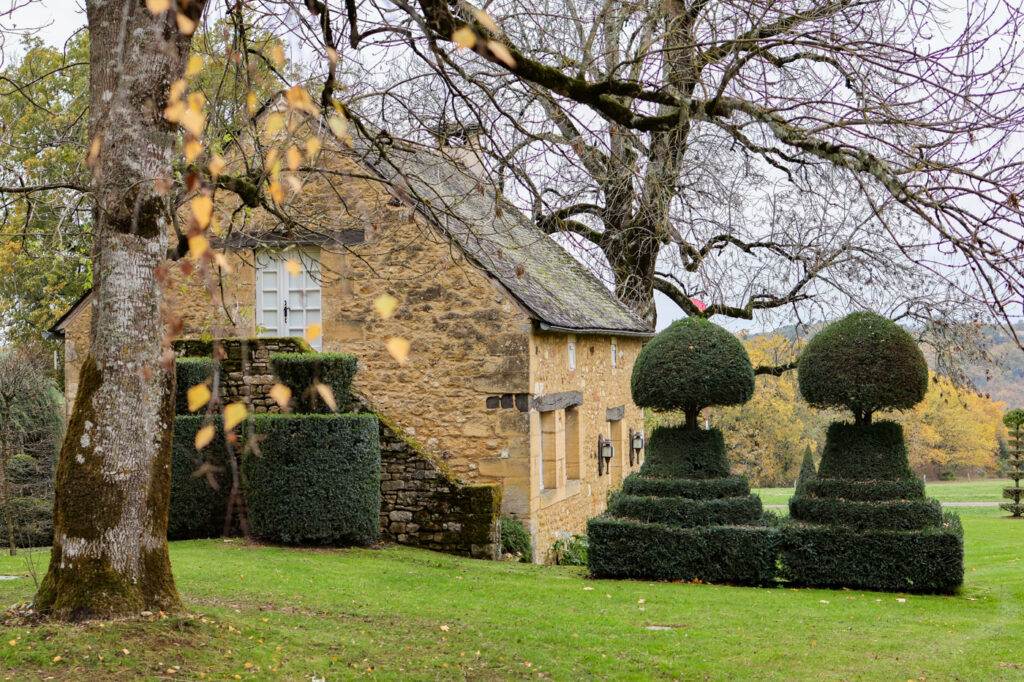
I am particularly fond of the balanced, harmonious relationship between the garden’s structure and the superb main residence, along with its outbuildings, whose simple elegance and warm golden stone are so typical of the Périgord. Everything feels self-evident in this timeless place, where nothing is ostentatious. The architecture of the various buildings serves as an anchor for the garden, which in turn completes and enhances the whole.
The history of Eyrignac dates back to the 17th century, when a first French formal garden was created around the family manor. Over the centuries, the garden evolved and transformed, before experiencing a true revival in the 20th century under the guidance of Gilles Sermadiras, who restored its classical spirit by drawing inspiration from the great principles of French garden design: symmetry, perspectives, structure, and mastery of plant forms. To this day, Eyrignac remains a garden maintained by the same family.
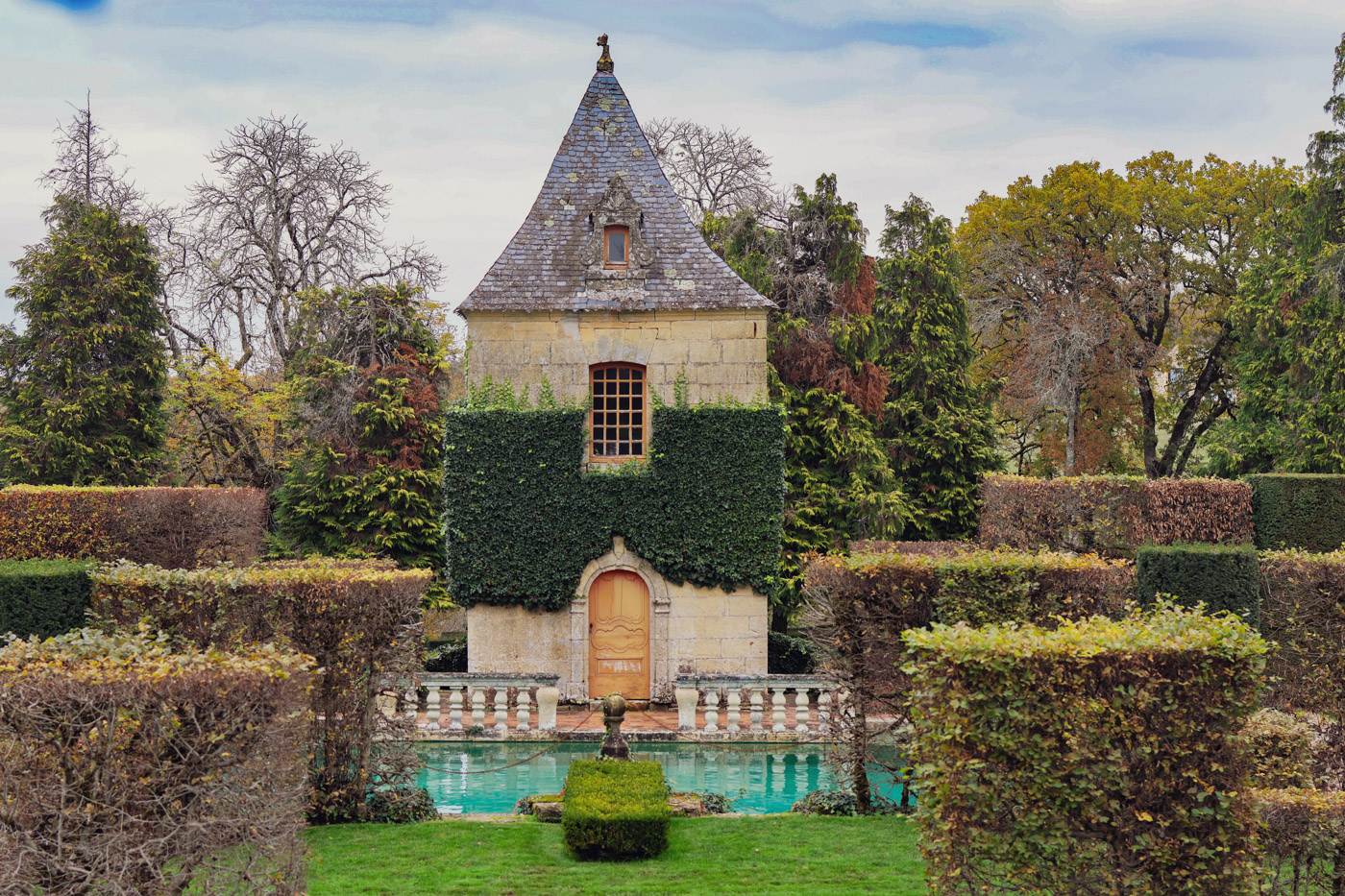
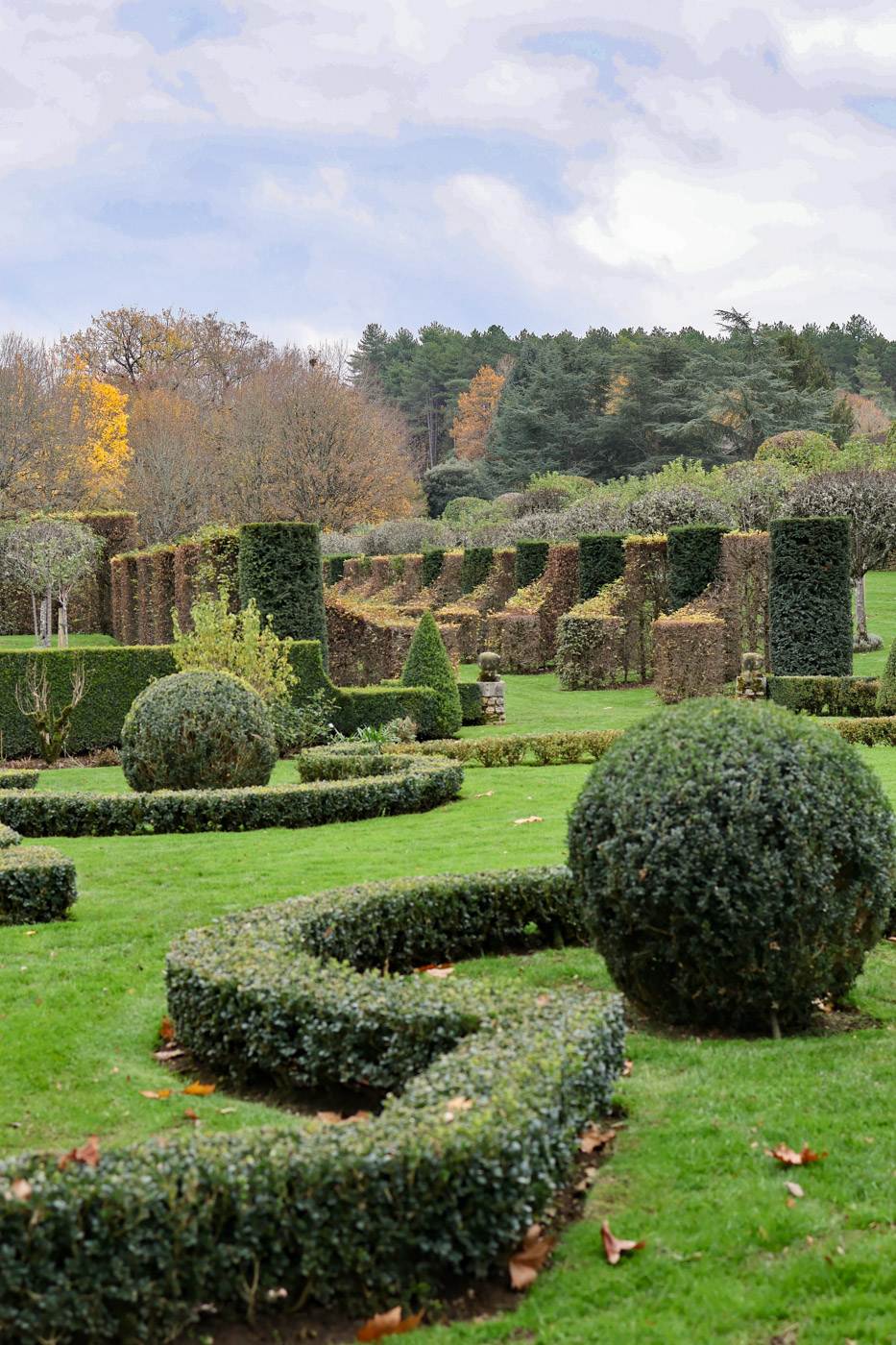
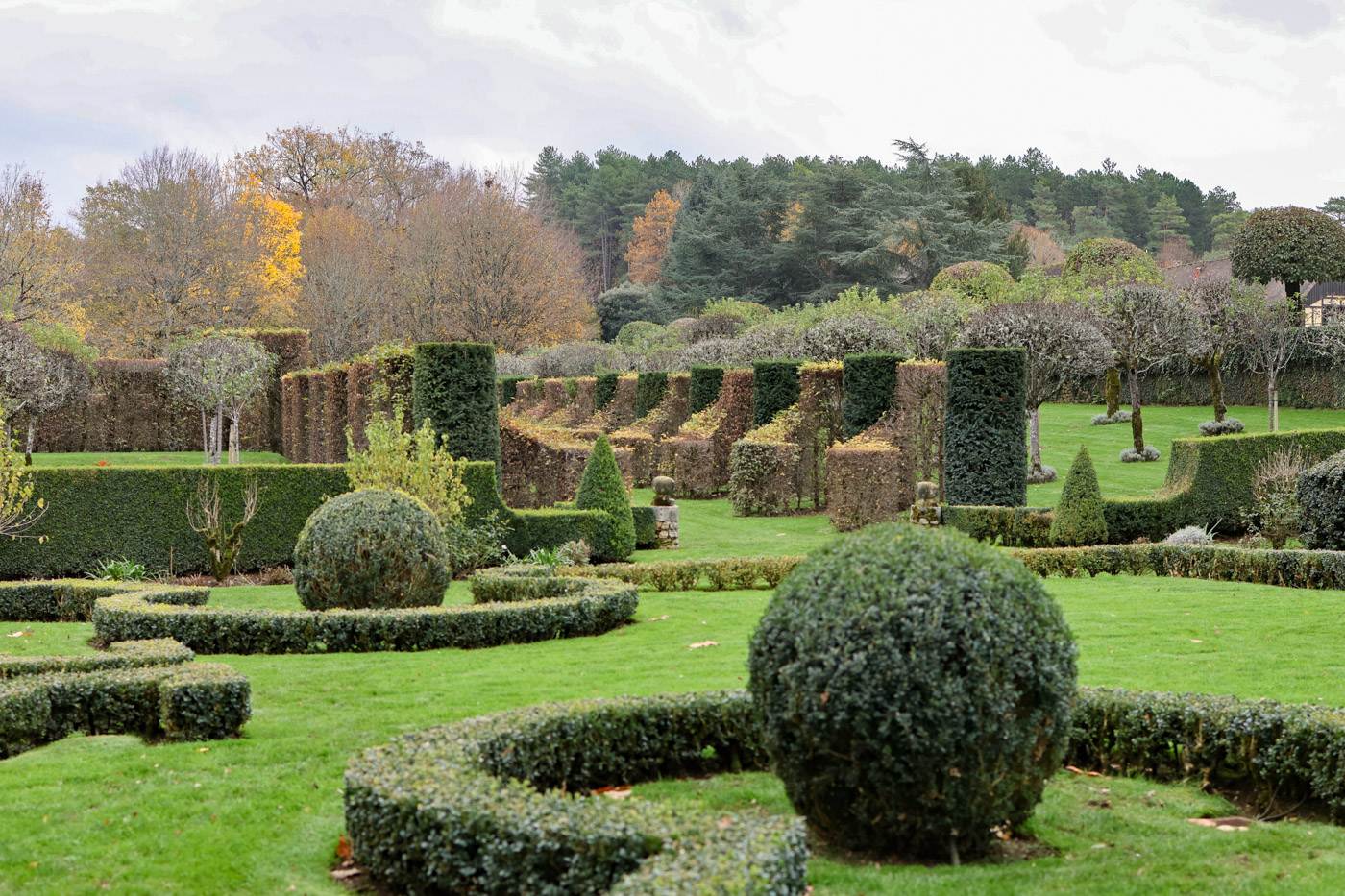
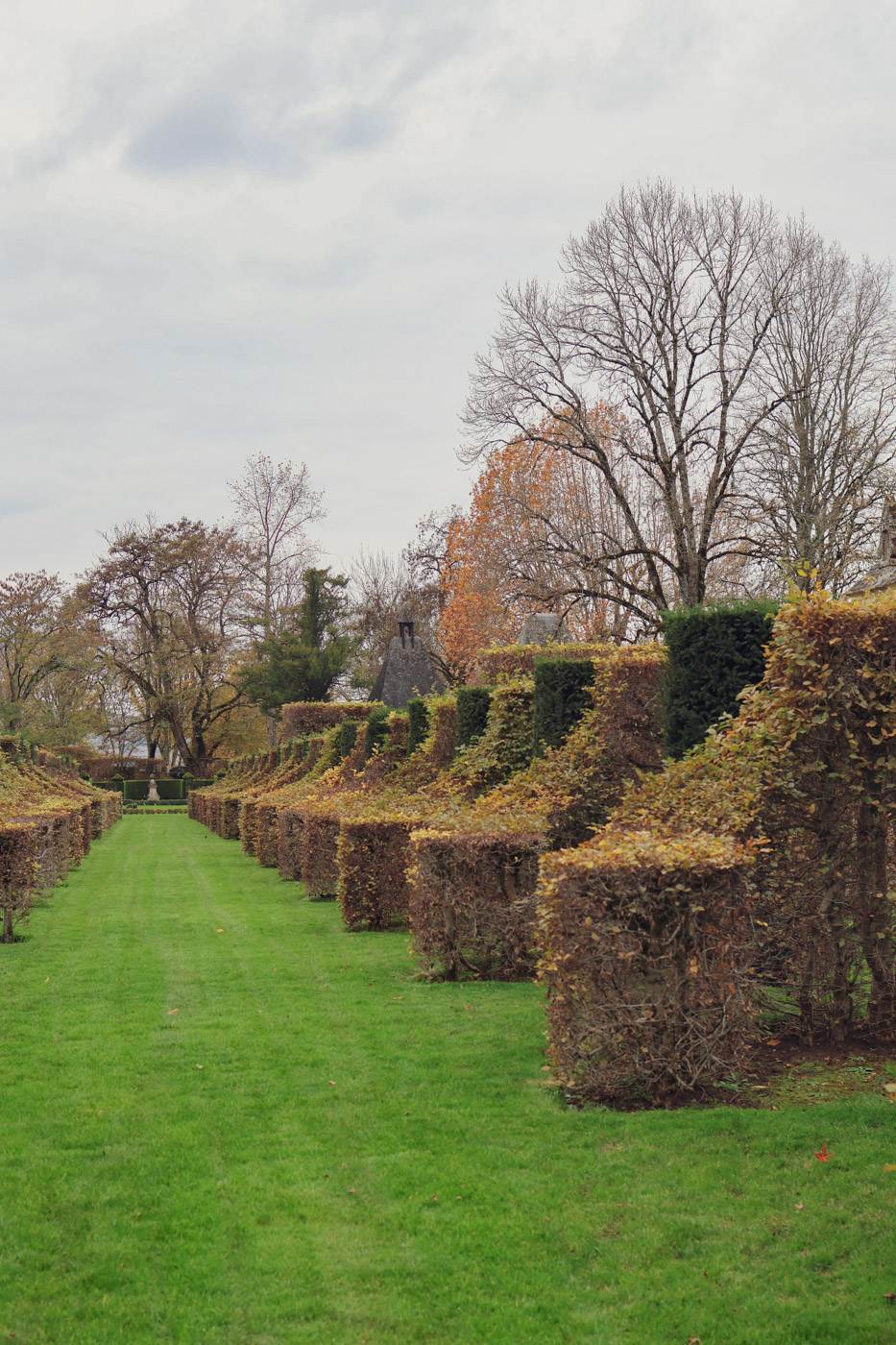
The Gardens of Eyrignac are internationally renowned for their “architecture” and their topiary. The garden is divided into different “rooms”, like a succession of living paintings, each with its own theme, atmosphere, and rhythm. One moves from one space to another along perfectly designed paths, discovering varied perspectives and impeccably controlled pruning.
Visiting in winter, at the very beginning of December to be precise, offers a completely different experience of the garden. Stripped of its foliage, it reveals its framework, its true architecture. The eye is naturally drawn to the topiary and to the overall structure of the garden, which form its very essence.
I also deeply enjoy the slightly mystical atmosphere that emerges at this time of year in this region. The silence, the winter light, and the occasional mist enhance this feeling of intimacy with the place, as though time itself were suspended. I strongly encourage visitors to discover gardens in winter, not just this one, when nature gives us the opportunity to observe its true… nature. It is then that we can fully appreciate the real beauty of trees: the architecture of their branches, their silhouettes, and the structure of their trunks, which can become true sculptures.
Eyrignac is located not far from the Gardens of Marqueyssac, nearby as well. Both are famous worldwide for their extraordinary topiary, yet today they face a major challenge due to the invasion of the box tree moth, a pest that poses a serious threat to these gardens, as it does to so many others in France.
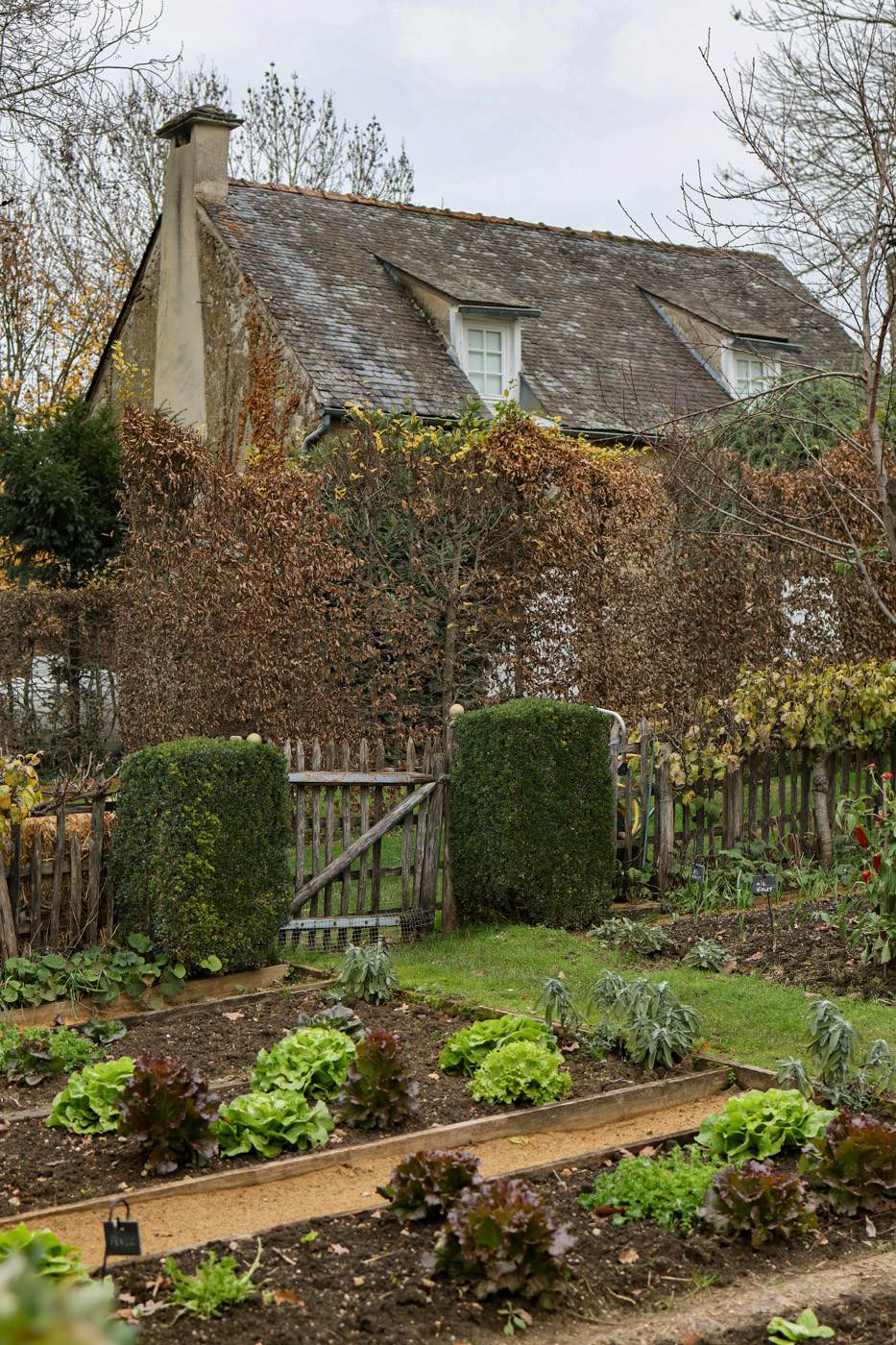
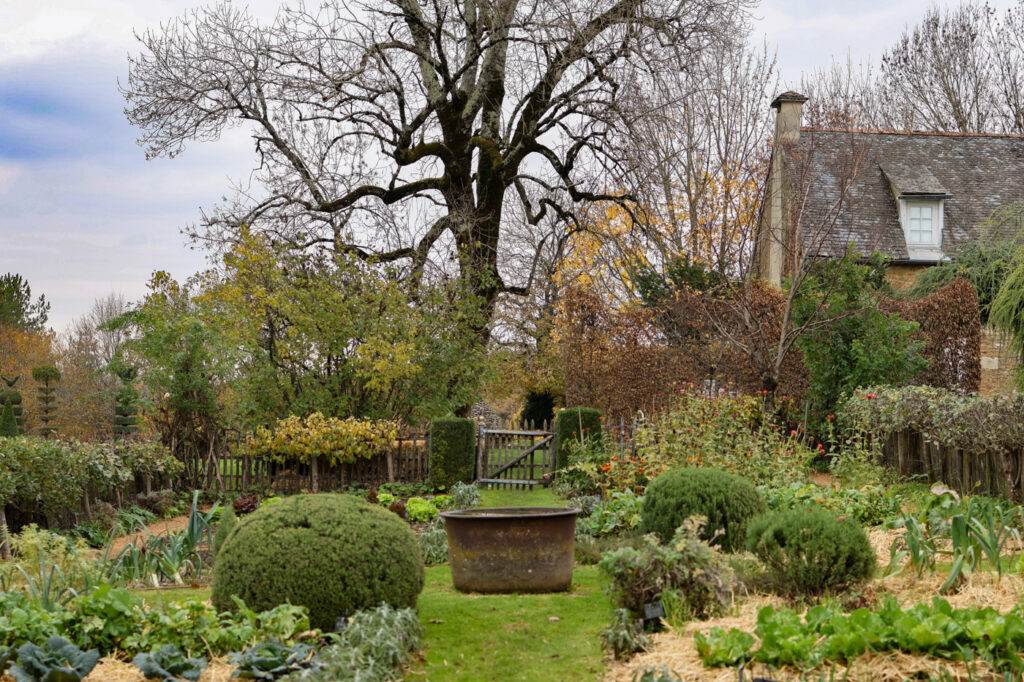
Among the spaces that particularly struck me at Eyrignac, the kitchen garden deserves special attention. It possesses a very rustic charm that contrasts beautifully with the sophistication of the topiary and the overall architecture of the rest of the garden. It is a productive kitchen garden, both authentic and beautiful, and it was a great source of inspiration.
The garden is vast, and every turn reveals something new. As a garden enthusiast, I both appreciate and recognize the immense effort and dedication required to maintain a space of this scale, all while giving the impression that these living tableaux have always been there. Visiting at the end of autumn means discovering the very essence of this place, catching a glimpse of its soul, as Anne Shirley would say, and having the privilege of truly experiencing it.