Jean Cocteau’s house near Paris
If there’s one kind of place that inspires me more than any other, it’s the home of a writer or a multi-talented artist who has left behind a distinctive imprint. So on an early summer weekend, I went to visit the house of Jean Cocteau – an unclassifiable character of many talents – near Fontainebleau, not far from Paris.
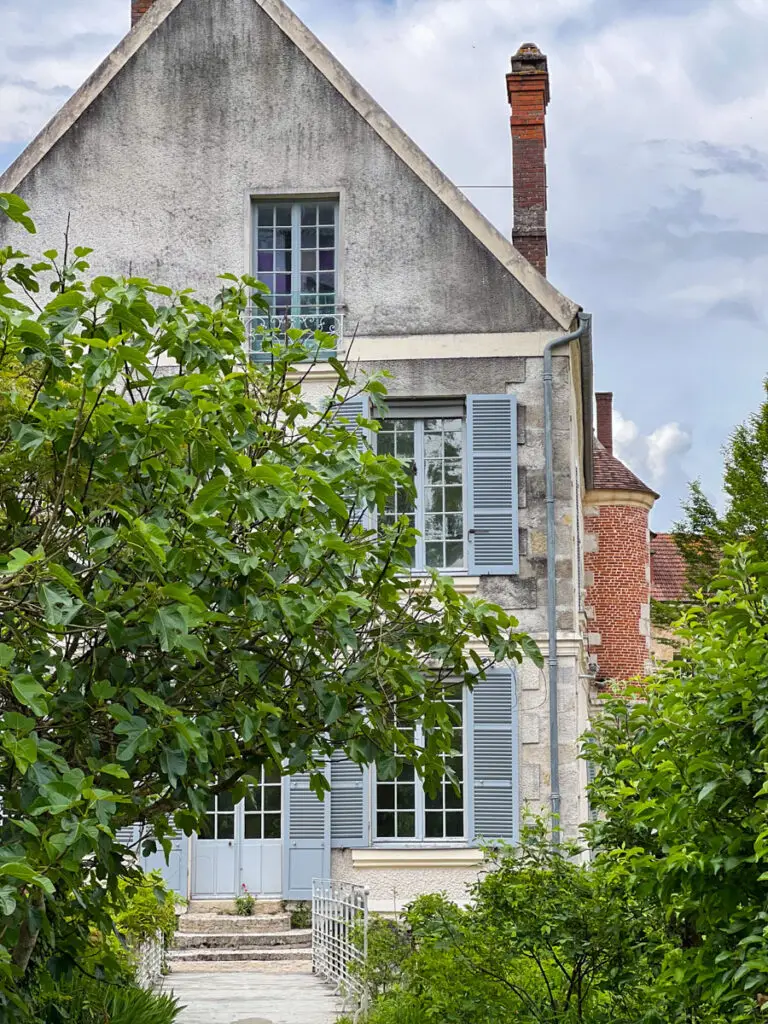
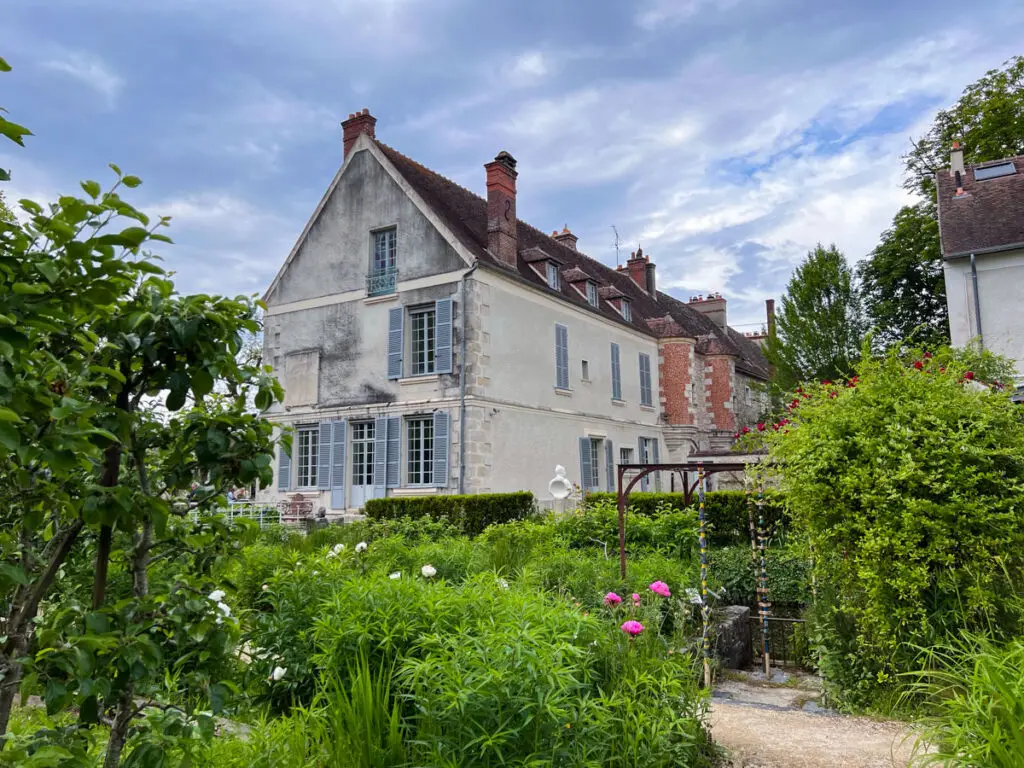
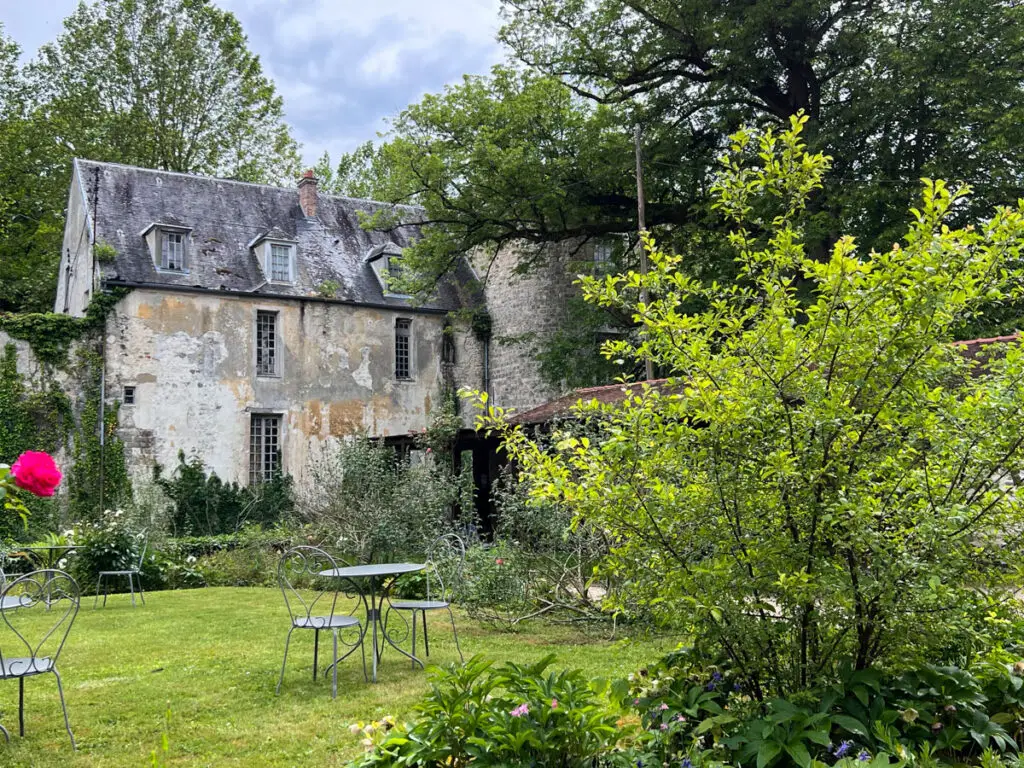
Tucked away at the end of a narrow lane and surrounded by canals in the charming village of Milly-la-Forêt, this 17th-century property was purchased by Jean Cocteau and Jean Marais in 1947, as a way to escape the Parisian press eager to know more about the release of what was, for its time, a rather unusual film: La Belle et la Bête. With its two small brick turrets on one of the façades, the house was once an outbuilding of the Château de Milly, also known as the Château de la Bonde. Hidden at the end of the path, the house is a peaceful and enchanting place that delighted the poet-writer-illustrator-director. Cocteau once said he had found in Milly “the rarest thing in the world: a nice setting.” And you can’t help but agree – there’s something almost timeless about the atmosphere here.
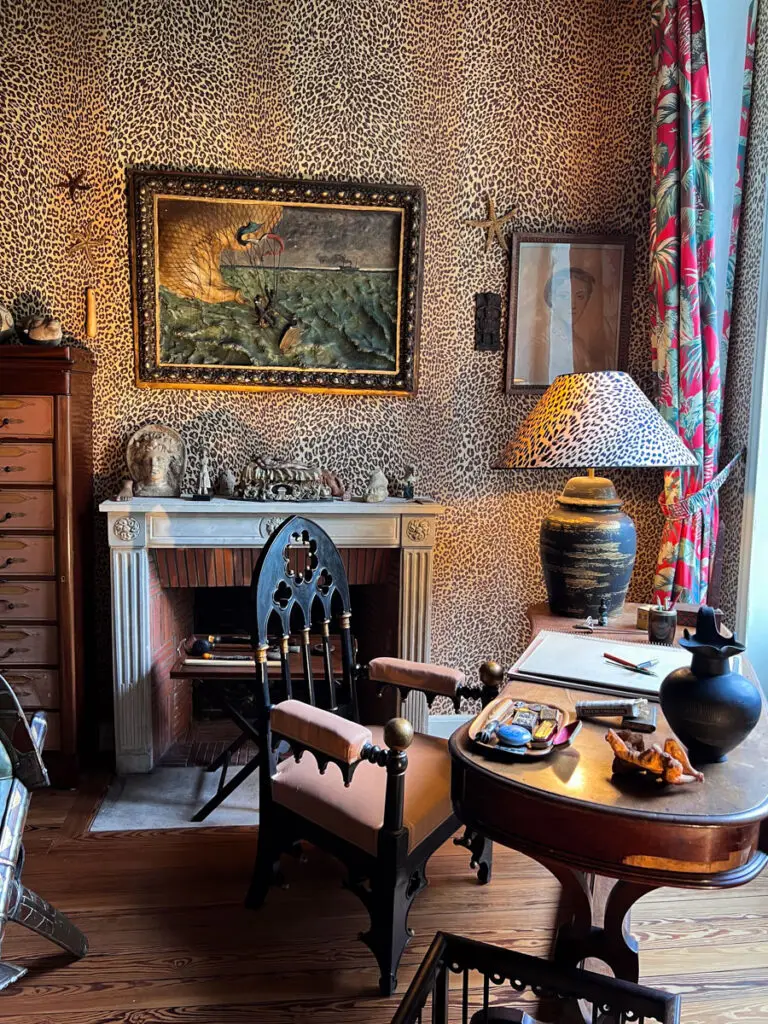
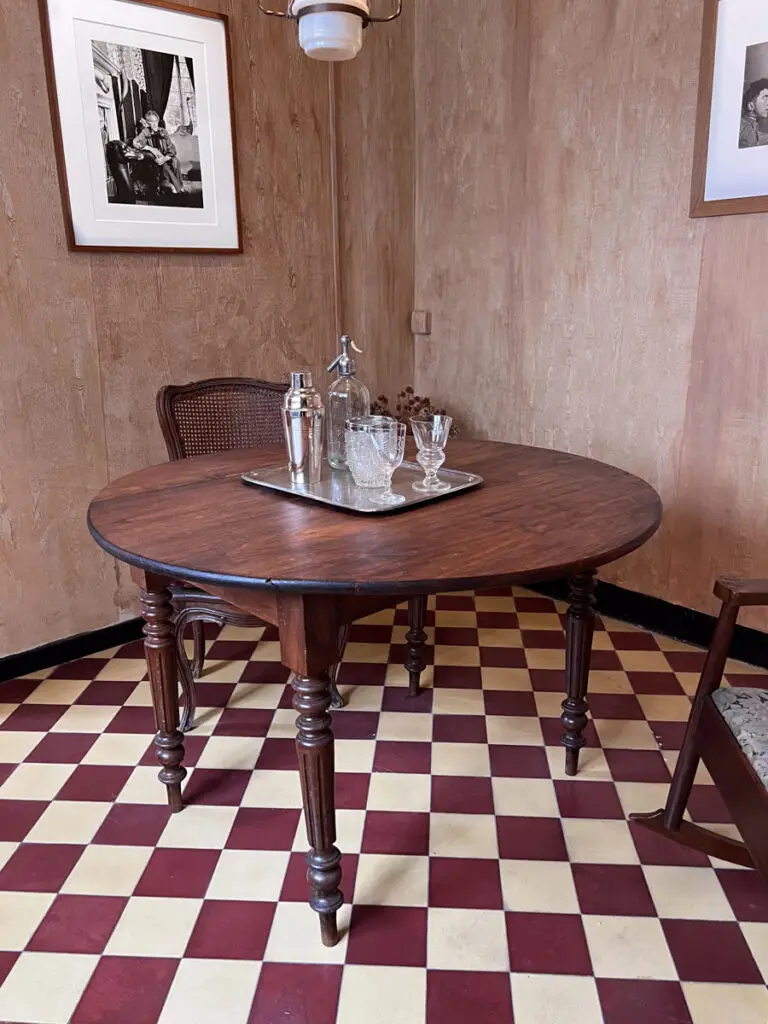
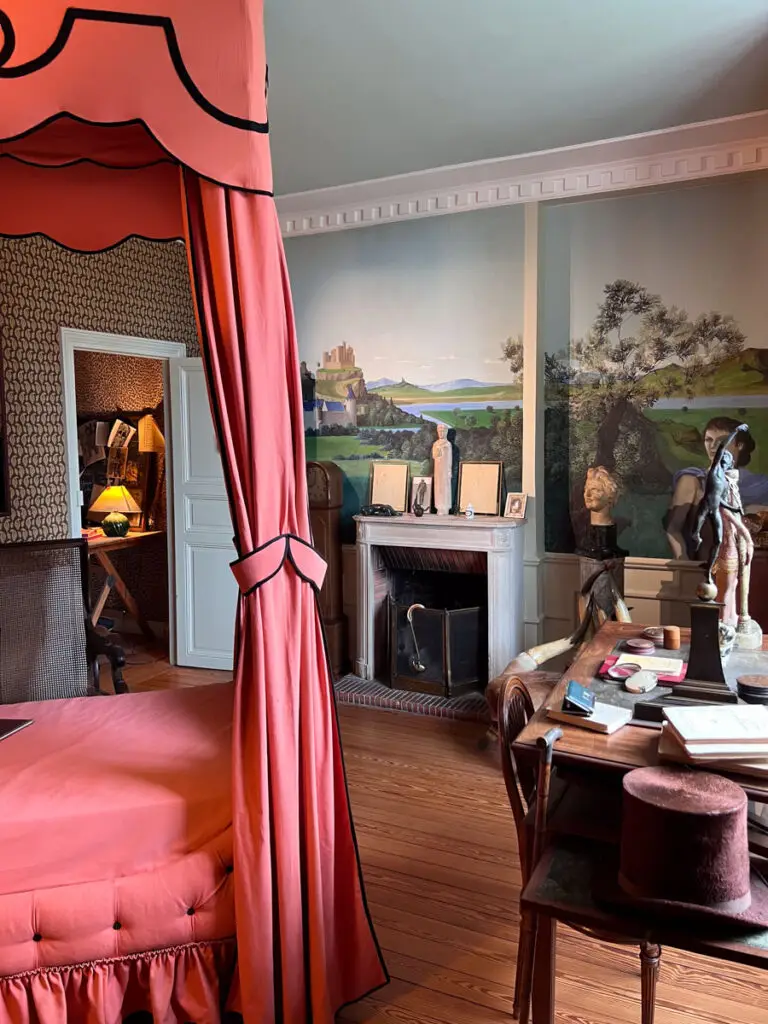
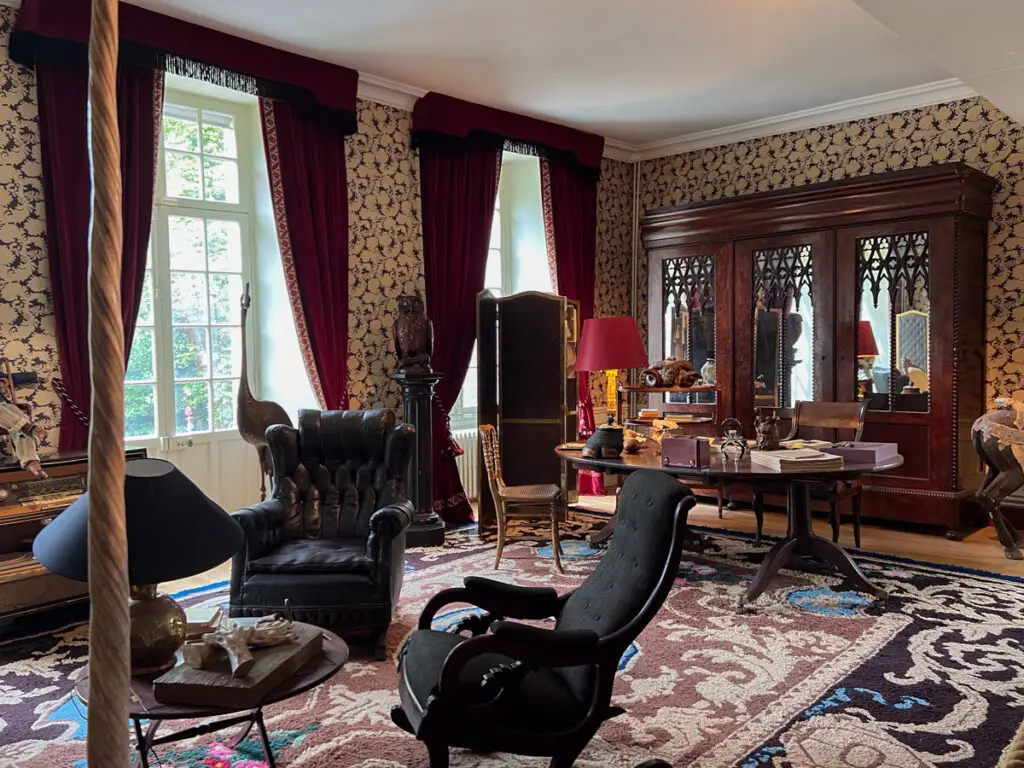
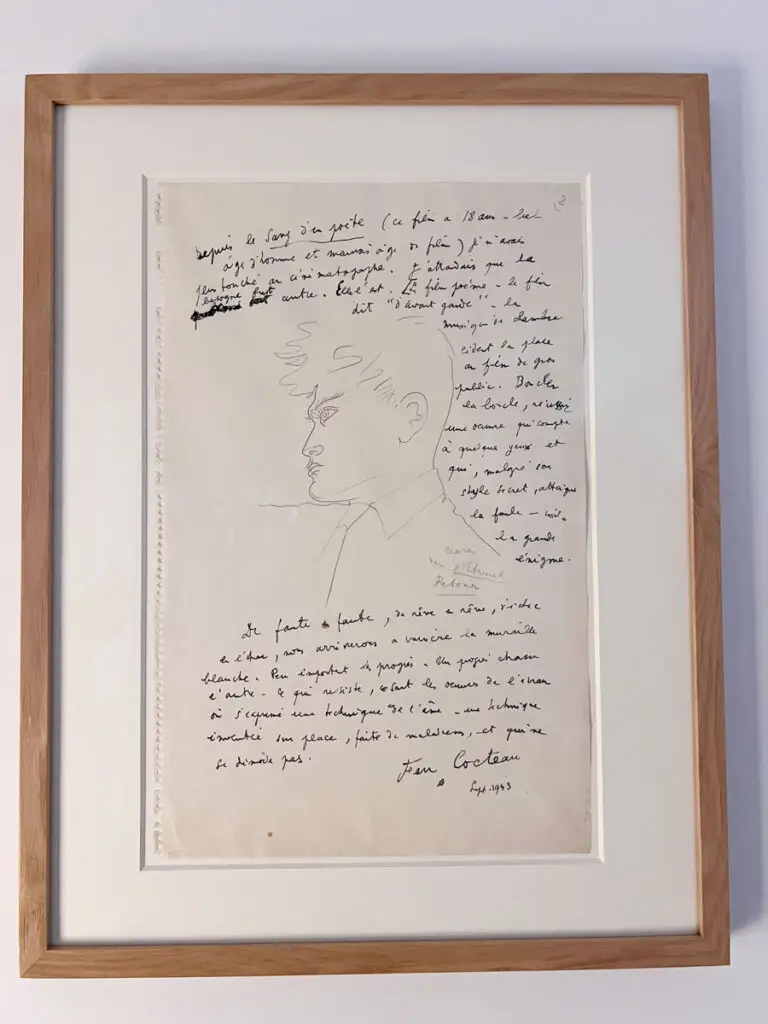
I should warn you though: if you’re expecting to see Cocteau’s home fully preserved as he left it, you might come away slightly disappointed. Only a handful of rooms are open and furnished: the vestibule, the (unfurnished) kitchen, the living room, a study, and the adjoining bedroom. We learn, for instance, that the decorator Madeleine Castaing helped shape the interiors – eclectic, as you might imagine, and perfectly in tune with Cocteau’s spirit. The other rooms, however, are used for exhibitions and are of limited interest if you’re hoping to find inspiration. Some of the walls were even repainted by an Australian artist much later on, which makes it difficult to get a sense of what the house really looked like when Cocteau lived there. I left feeling a bit unsatisfied, as I had hoped to get a closer glimpse into his daily life and creative world. I was also expecting the house-museum to be filled with his unmistakable drawings, which I’ve always loved for their poetic simplicity and modern feel. British artist Luke Edward Hall, for instance, was undoubtedly inspired by Cocteau. Sadly, there were only a few drawings in the house, which was a real pity.
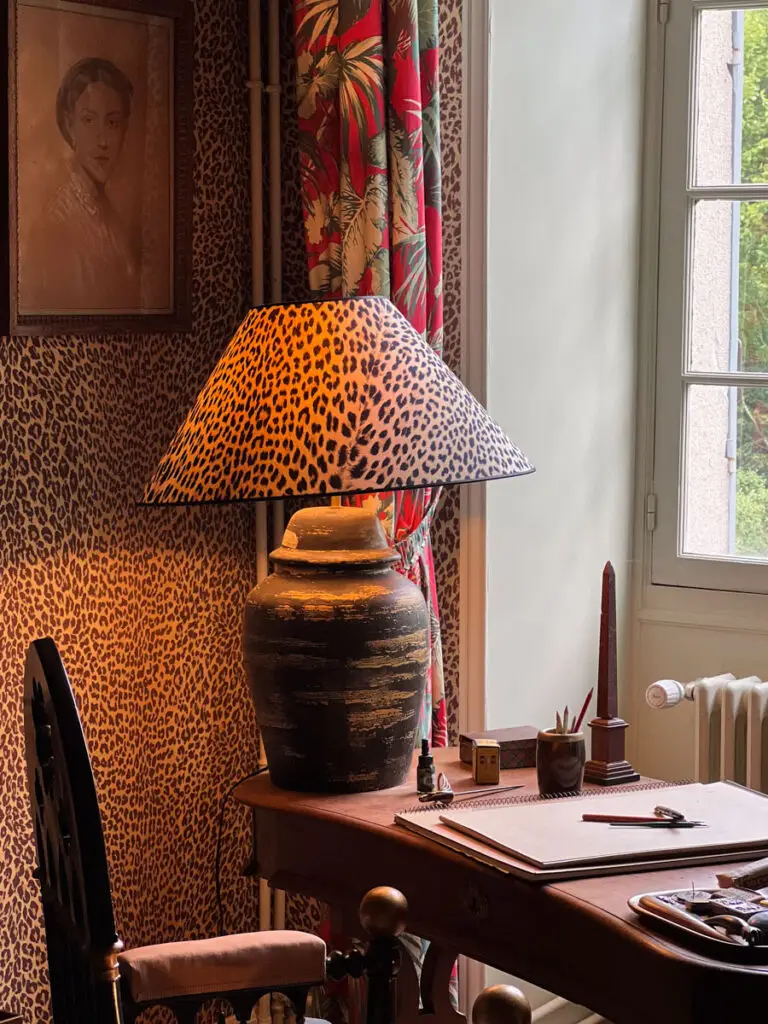
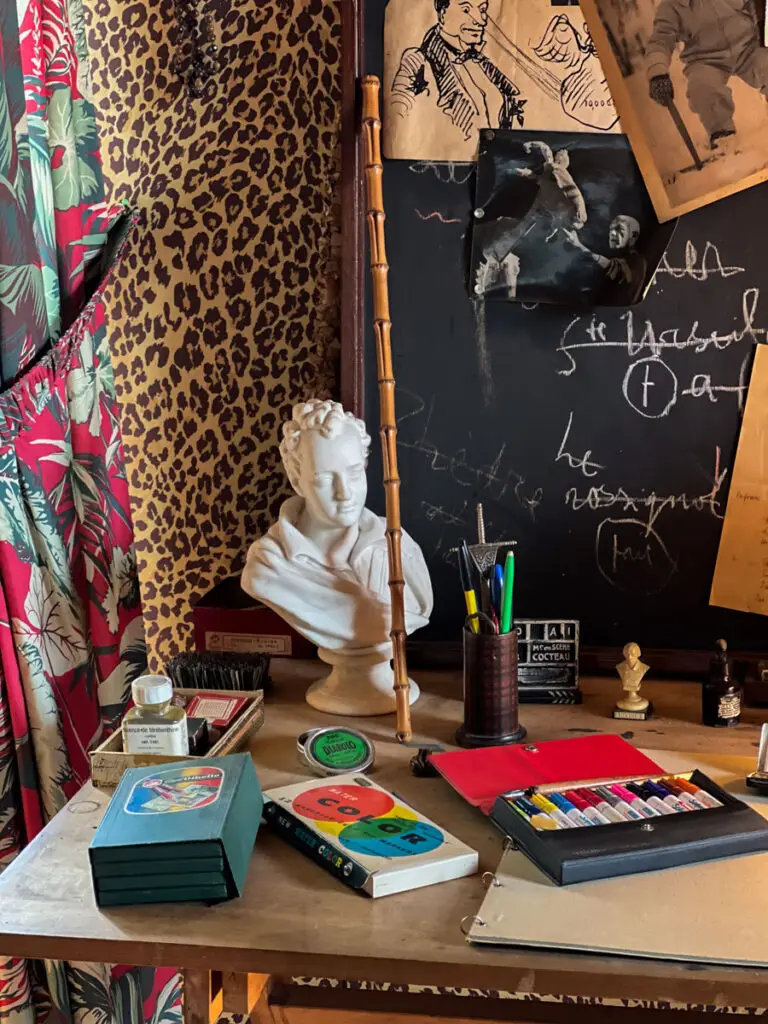
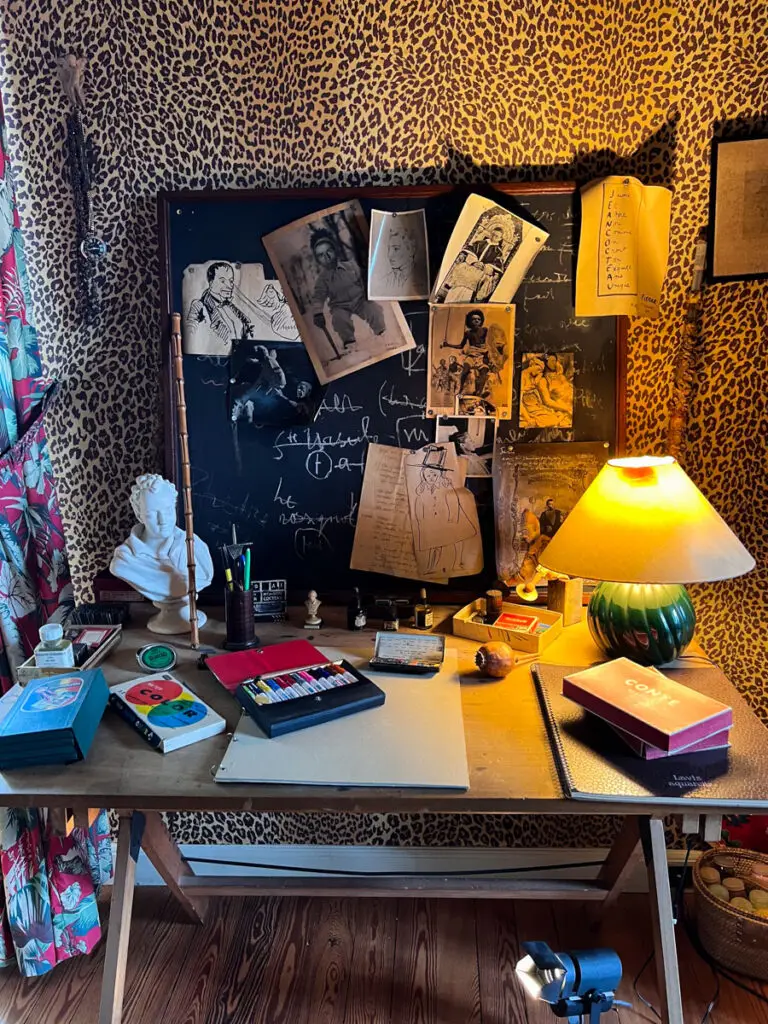
That said, the few furnished rooms still offer something to enjoy. I was quite taken with the leopard print motif that appears throughout the antechamber, which Cocteau used as his study – it gives the space real personality. It was undoubtedly a bold and forward-thinking choice for the time, even if a similar leopard print can be found on the floor of one of the rooms at the Château de Compiègne. I’m always especially drawn to everything relating to a workspace: stationery, pens and markers, moodboards, the way a lamp is angled on the corner of a desk… These little details always fascinate me, as they often reveal so much about a person’s mindset and creative process.
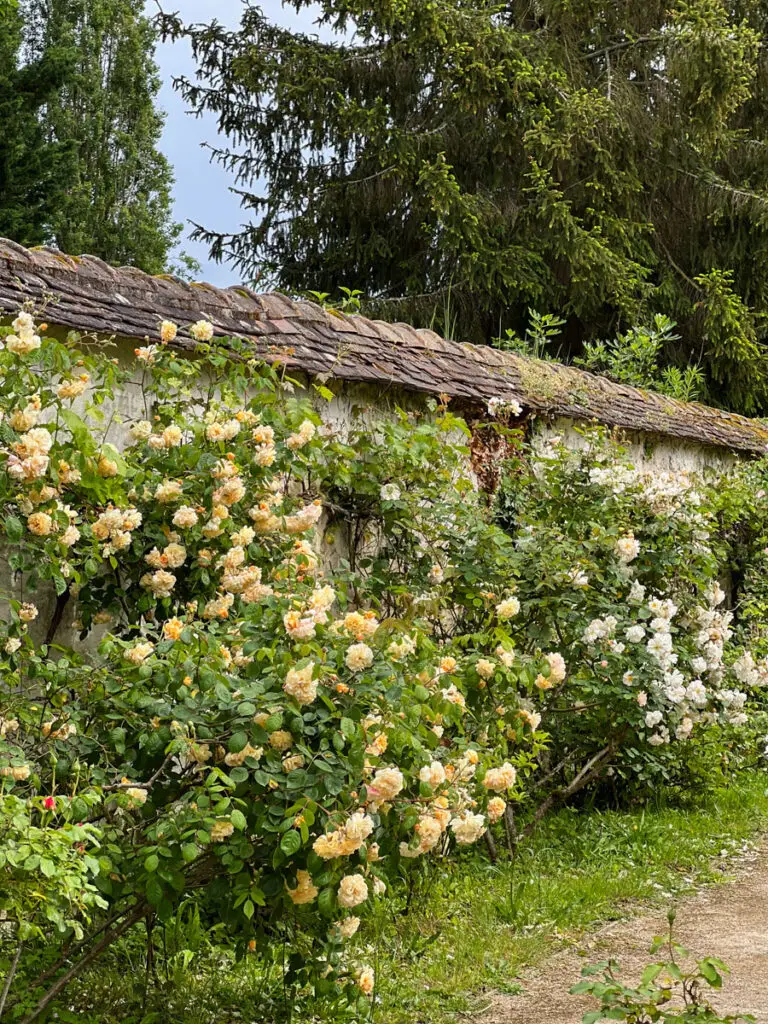
One lovely touch: the museum allows visitors to enjoy a small coffee in a quiet corner of the garden, surrounded by rose bushes and facing the picturesque view of the Château de la Bonde, once the medieval home of the Lords of Milly, located just across the canal that borders Cocteau’s property.
From what I gathered, the museum is set to be renovated to resemble more of a real lived-in home, where visitors will be able to explore rooms like the kitchen (currently rather bare and uninspiring) and get a better sense of what the place truly felt like when its owner was still there.
You can discover more about the museum here.